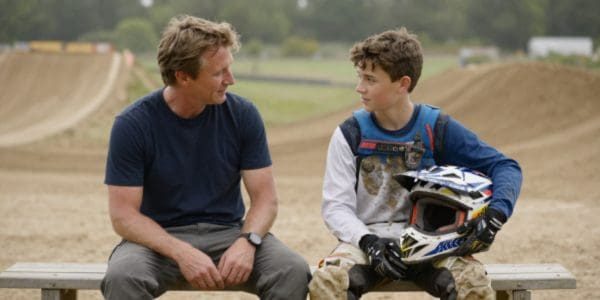
Is your young rider or driver struggling with the mental side of motorsport?
We have had the pleasure of supporting riders in British Superbikes, international Motocross riders, Racing Car Drivers, Mountain Bikers, Go-Kart Racers and Remote Control Racing Car Drivers. Helping them deal with the many psychological challenges they encounter so they can practice, qualify and race to the very best of their ability.
Motorsports are unique. It is one of the very few sports where parents invest not just enormous emotional energy in their child’s development, but often significant financial resources too. When the mental side of the sport starts to hold a young driver or rider back. After crashes, a string of poor results, a crisis of confidence in qualifying the stakes can feel very high for the whole family. We understand that and we are here to help. Whether your child is just beginning their motorsports journey or is already competing at a serious level, the mental skills they develop now can shape how they perform under pressure and away from racing.
Mental skills support for young karting, motocross, superbike and racing car drivers aged 7–21+ and the parents and coaches alongside them
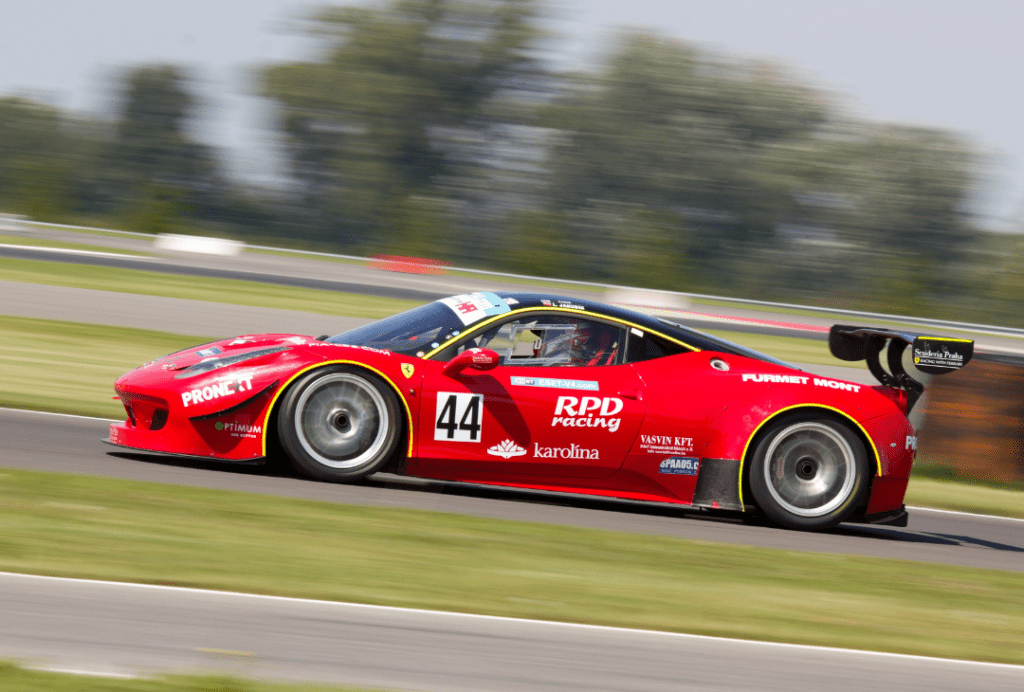
Understand what is really holding your young driver or rider back and learn how to support them through crashes, confidence crises and the intense pressure of competitive motorsports without adding to the burden
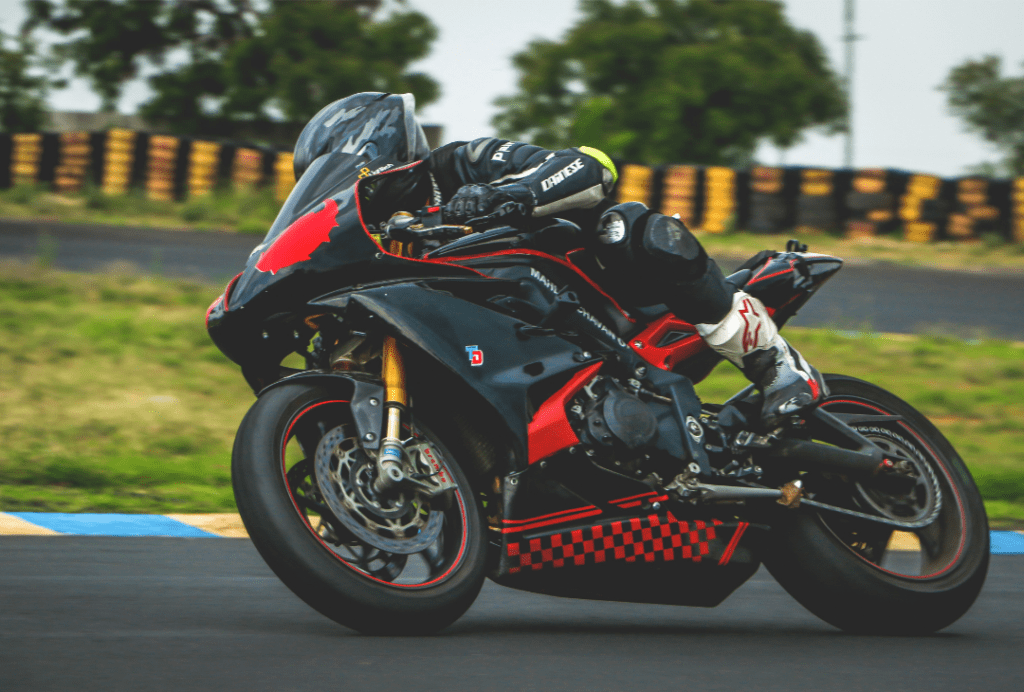
Practical psychological tools you can bring into your coaching sessions helping young drivers and riders manage pressure, overcome mental blocks, and perform consistently at their best
Why mental skills matter in junior motorsports
Motorsports places a set of psychological demands on young people that is unlike almost any other sport. The combination of physical danger, technical complexity, financial investment and solo performance creates an environment where the mental game is not a secondary concern it is central to everything.
Young drivers and riders face a very particular challenge. Unlike most sports, the consequences of losing concentration or letting anxiety take hold can be immediate and physical. A young karter who overthinks a corner, a young motocross rider who freezes after a crash, or a junior racing driver who gets in their own head during qualifying. These are not just performance problems. They are situations where the right psychological support can make a real difference to both results and safety.
The investment motorsports families make in time, equipment, entry fees, travel and coaching is often considerable. When a young driver or rider’s mental game is limiting their performance, all of that investment is not being realised. We work with young motorsports riders and drivers aged 7 to 21+ and the parents and coaches alongside them to build the mental skills that allow talent and preparation to show up consistently when it matters most.
Supporting a Professional Motorcyclist Overcome Injury and Regain Confidence
Common challenges we deal with
” Our son had a bad crash at 13 and we nearly lost him to the sport entirely. Working on the mental side gave him back his commitment and his confidence. He is now racing better than he ever was before the crash.”
— Parent of a 17-year-old kart racer, Dublin, Ireland
Mastering Your Mental Game in Motorsports
One of the most important episodes in our library for motorsports parents and coaches. If your young driver or rider has been through a crash and is struggling to get back to their previous level of confidence and commitment, this episode speaks directly to that experience.
Articles for parents & youth motorsports coaches
Podcast Episodes to Listen To
Questions Parents Ask Us
My child had a crash and now freezes or hesitates in similar situations on track — how do we help them?
Post-crash hesitation is one of the most common issues we work on with young motorsports drivers and riders, and it is one of the most important to address promptly. When a crash creates a strong fear response, the brain begins to associate certain corners, situations or conditions with danger and that association does not resolve on its own with time. With the right psychological support, young drivers and riders can process the experience, rebuild their trust in their own abilities, and return to full commitment on track.
My young driver performs well in practice but falls apart in qualifying or races — why?
The practice-to-racing gap in motorsports is almost always a mental skills issue. In practice, there is no pressure and no consequence so the brain stays calm and performance flows naturally. In qualifying and races, the added significance triggers anxiety that disrupts the same automatic skills. This is very common in young motorsports riders and drivers. It is also very addressable with the right support.
My child overthinks every corner and it is slowing them down — what can we do?
Intelligent overthinking is actually one of the most specific and well-documented challenges in young motorsports riders and drivers and we have written about it directly. When a naturally analytical young driver or rider starts to consciously process what should be automatic decisions, it both slows their reactions and increases their anxiety. We help young riders and drivers develop the mental skills to trust their training and compete with a quieter, more instinctive mind.
How do I support my child without adding to the financial and performance pressure they already feel?
This is something almost every motorsports parent worries about, and it is one of the unique psychological challenges of the sport. The visibility of the investment in equipment, entry fees and travel can make a young driver or rider feel that every result has to justify the cost. We help families navigate this dynamic in a way that protects the young rider or drivers confidence and enjoyment while still maintaining ambition and standards.
My young rider is focusing too much on rivals before and during races — how do we redirect this?
Rival fixation is extremely common in young motorsports athletes and is one of the clearest signs that a competitor needs help with their focus and pre-race routine. We help young drivers and riders shift their attention from what their rivals are doing to what they themselves can control . Their own preparation, their own lines, their own race and their mindset. This shift alone can have a dramatic effect on confidence and performance.
My child is showing signs of burnout from the pressure and travel of competing what should we do?
Motorsports burnout is often driven by a combination of the physical demands of travel and competition, the emotional weight of results-focused pressure, and the financial investment parents make visible to their child. Early signs include loss of enjoyment of driving or riding, reluctance to go to events, increasing irritability, and a drop in commitment to preparation. If you are seeing these signs, seek support sooner rather than later. We work with young drivers and riders and their families to address the roots of burnout before it ends a promising career.
At what age should a young driver or rider start working on their mental game?
We work with young motorsports riders and drivers from age 7 upwards including young go-kart and remote control car racing competitors. In motorsports particularly, the mental habits formed early tend to be very persistent. A young driver who learns to manage mistakes quickly, stay committed through difficult patches, and compete with confidence rather than anxiety is building a foundation that will serve them at every level of the sport and in their every day lives.