
Does your young fighter freeze, lose confidence or fall apart under pressure before or during a bout?
Combat sports place a unique and intense psychological demand on young people. Unlike team sports, your child steps into the ring, onto the mat, or into the cage entirely alone. There are no teammates to share the pressure, no coach to call a timeout, and nowhere to hide from the challenge ahead.
We have supported a range of young fighters for a number of years from talented young boxers and highly motivated amateur kickboxers competing internationally, through to junior judoka, Brazilian jiu-jitsu and martial artists at every level. Whether your child is struggling with pre-bout nerves, freezing when it matters most, or finding it hard to recover after a loss we can help. And if you are a parent trying to build your child’s confidence before they compete, or a coach wanting to develop mentally tough young fighters, you are in the right place.
Mental skills support for junior boxers, judoka, kickboxers, BJJ practitioners and martial artists aged 7–21+
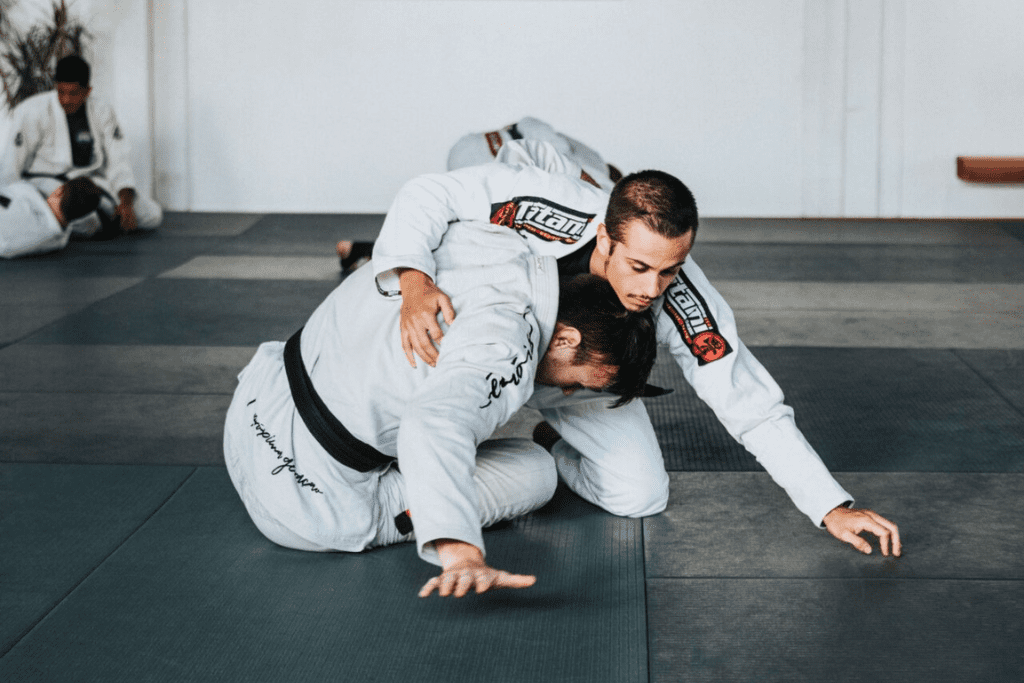
Understand what is really happening in your child’s mind before and during a bout and learn how to give them confidence, manage their nerves and support them after a loss without making things worse.
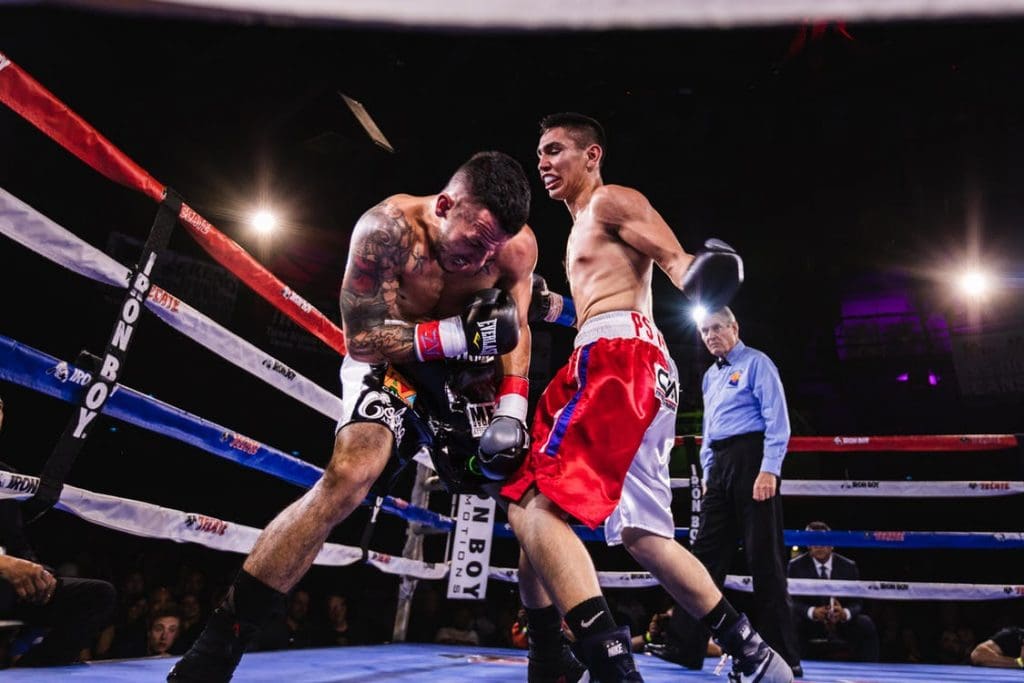
Practical psychological tools to bring into your training sessions helping young fighters build real mental toughness, manage pressure and compete with a clear, focused mind.
Why mental skills matter in junior combat sports
Combat sports are unlike almost any other sporting experience a young person can have. The moment your child steps up to compete, they face another person whose sole objective is to beat them. That one-on-one pressure combined with the physical nature of the sport creates some of the most intense psychological demands in all of youth sport.
The mental side of combat sports is not just about managing nerves on fight day. It is about how a young fighter thinks about their opponent in the days and weeks before a bout. Also it is important to understand what happens in their mind when they are hurt, pressured, or things are not going to plan. Their ability to stay calm, focused and confident when everything inside them is urging them to panic is vital too.
The good news is that every one of these mental skills is trainable. We work with young fighters aged 7 to 21+ and the parents and coaches alongside them to build the psychological tools that make all those hours of technical and physical training pay off when it matters most, when they are competing.
How Can I Give My Child Confidence Before They Fight?
Common challenges we deal with
“Our son was technically excellent but kept freezing in his bouts. After just a few sessions he had a pre-fight routine and real strategies for managing his nerves. He went on to win his next three fights.” — Parent of a 14-year-old boxer, Greater Manchester, England
Articles for parents & youth coaches
Podcast Episodes to Listen To
Questions Parents Ask Us
How do I give my child confidence before they step into the ring or onto the mat?
This is the question we hear most from combat sports parents, and we have dedicated a full article to it. In short, the days and hours before a bout are critical. What you say, how you frame the experience, and whether you focus on the outcome or the process all have a direct impact on how your child feels when they compete. Our resources give you specific language and approaches to use in those key moments.
My child is technically excellent but keeps freezing when they fight — why?
Freezing under pressure is one of the most common issues we work on with young fighters. It happens when anxiety overrides the automatic, trained response. Essentially the brain goes into threat mode and disrupts skills that are otherwise well-grooved. It is a mental skills issue, not a technique issue, and it responds very well to the right psychological support.
My young fighter is terrified of getting hurt, is this normal and how do we manage it?
Fear of injury or pain is entirely normal in combat sports and is not something to dismiss or push through. Left unaddressed, it can significantly limit a young fighters development and enjoyment of the sport. We help young fighters develop a healthier relationship with the physical demands of their sport, one that respects appropriate caution while not letting fear become a barrier to competing.
My child lost badly in a bout and now does not want to go back to training, what do I do?
A difficult loss can shake a many young fighters confidence deeply, especially in combat sports where the result feels very personal. The way this is handled in the days immediately after a loss is critical. We help parents navigate these conversations and help young fighters process defeat in a way that builds rather than damages their long-term resilience.
My child obsesses over their opponent before a fight and it makes their anxiety worse, what can we do?
Opponent fixation is very common in combat sports and is one of the clearest signs that a young fighter needs help with their mental focus and pre-competition routine. We help young fighters redirect their attention from what their opponent might do, to what they themselves can control. This shift alone can make a significant difference to pre-bout confidence.
At what age should a young fighter start working on the mental side of their sport?
We work with young fighters from age 7 upwards. The mental habits formed early in a combat sports journey, how a young fighter thinks about opponents, handles nerves, and responds to losing tend to become deeply ingrained. The earlier those habits are healthy ones, the better. That said, it is never too late to start.