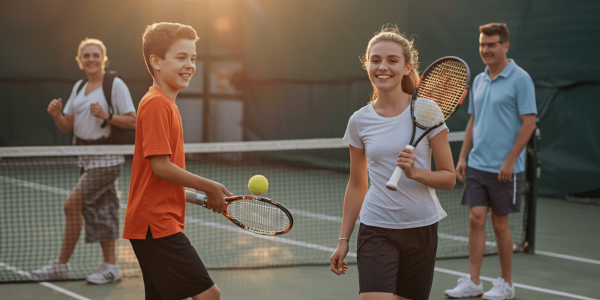
Is your young racket sports player struggling with the mental side of the game?
Racket sports are unique. Unlike team sports, your child stands alone on that court with no teammates to lean on and nowhere to hide. The mental demands are enormous, even for young players. Research consistently shows that the ability to manage pressure, bounce back from mistakes, and stay focused is just as trainable as a backhand or a drop shot.
Yet most junior coaching time is spent almost entirely on technique and tactics. We fill that gap helping young players aged 7 to 21+ build the psychological skills that make their physical training actually pay off when they compete.
Racket Sports Psychology For Young Players and Mental Skills Training for Tennis, Padel, Squash, Badminton Players and Coaches
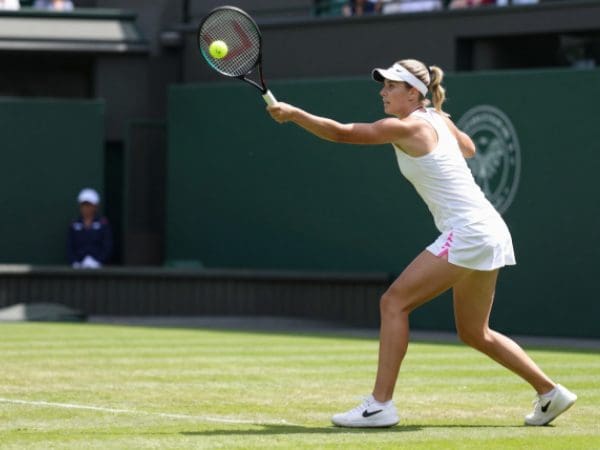
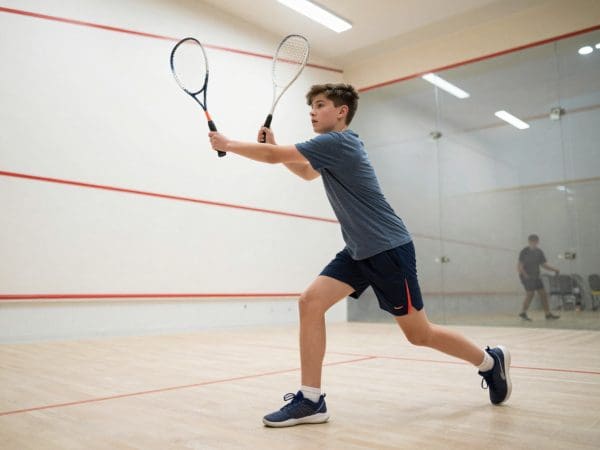
Understand what’s going on in your child’s head and how to have the right conversations with them at home, in the car journey to a tournament or before or after a matches.
Practical mental skills tools that you can use in sessions to help young players become more mentally tough and confident on the court.
Common challenges we deal with
“Our daughter was ready to quit tennis. After just a few sessions, she had tools to handle the pressure herself. Her coach noticed the difference immediately.” — Parent of a 14-year-old tennis player, Surrey, England
Articles for parents & youth coaches
Podcast Episodes to Listen To
Questions Parents Ask Us
My child plays well in practice but falls apart in matches is this normal?
This is very common. The training vs competition gap is one of the most frequent issues we work on with junior racket sports players. It’s a mental skills issue, and it’s very solvable.
At what age should my child start working on their mental game?
We work with young players from age 7 upwards. The earlier good habits are built, the better however it’s never too late to start.
How can I support my child without adding more pressure?
This is something almost every parent we work with worries about. Our parent resources give you specific language and approaches to use before, during and after matches.