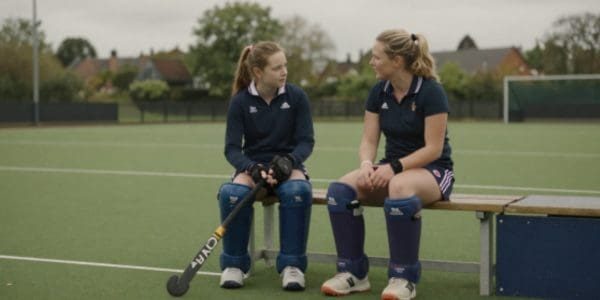
Is your young hockey player struggling with confidence, pressure or the mental demands of the game?
We have been producing hockey psychology content for a number of years. Our resources support players, coaches and parents at every level of the game. From young players finding their feet in junior hockey, through to players competing at regional and national level, the feedback has been really positive.
Hockey places real psychological demands on young players. The fast pace of the game requires constant focus. Team dynamics add emotional pressure that technical training alone cannot address. Penalty corners and shootouts demand mental as well as physical readiness. Maintaining confidence through a difficult run of form is one of the hardest challenges any young player faces.
These demands require genuine mental skills not just technical ones. Your child may be losing belief in themselves. They may be struggling to start matches well. They may be dealing with difficult team dynamics. Or they may be finding the transition to a higher level harder than expected. We can help with all of these.
If you are a parent wanting to support your young hockey player more effectively, you are in the right place. If you are a coach wanting to develop the mental side of your players’ games, you are in the right place too.
Mental skills support for young hockey players aged 7–21+ and the parents and coaches alongside them
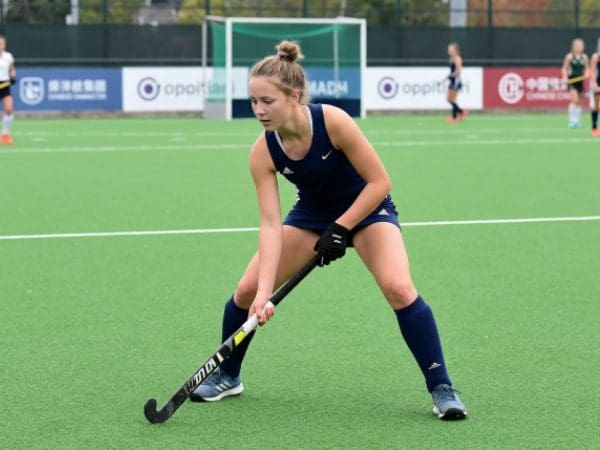
Understand what is really going on for your young hockey player and learn how to have the right conversations when they are struggling with nerves, confidence or team dynamics
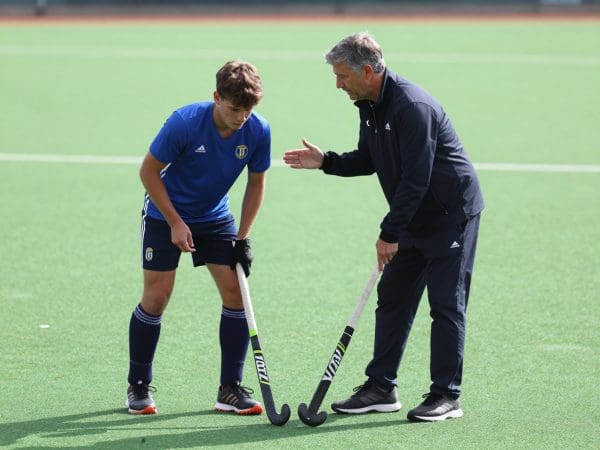
Practical psychological tools you can bring into your hockey sessions helping young players manage pressure, take positive risks, and compete with real confidence and creativity
Why mental skills matter in hockey
Field hockey is fast and physically demanding. However, the mental demands are just as significant as the physical ones. Young hockey players must make split-second decisions under pressure. They also need to maintain concentration through long periods where the ball is at the other end of the pitch. Furthermore, they must manage the emotional highs
and lows of a team sport where individual errors can feel very public.
The team environment in hockey brings its own psychological challenges. Young players have to manage their confidence within a squad. They must also handle being selected or dropped from the starting line up. In addition, difficult team dynamics can be hard to navigate. Finding their voice in a group setting takes real courage. All of this happens while they are trying to perform to the best of their individual ability.
The most common thing we hear from hockey parents is consistent. Their child plays with freedom and confidence in training. However, they tighten up or lose belief when it matters in matches. This training-to-match gap is almost always a mental skills issue. Importantly, it is very solvable with the right support. We work with young hockey players aged 7 to 21+. We also support the parents and coaches alongside them. Together we build the psychological skills that allow talent to show up consistently in competition.
Risk Orientation in Hockey: Helping Young Players Balance Creativity and Structure
Common challenges we deal with
“Our daughter was losing confidence after a difficult season and started to dread matches. After working on the mental side of her game she is playing with freedom again. The difference in her enjoyment of hockey has been remarkable.”
— Parent of a 14-year-old field hockey player, Kent, England
Resources for parents & youth hockey coaches
Looking for more
Browse our full podcast library which includes episodes on confidence, pressure, team dynamics, parental support and mental toughness directly relevant to young hockey players and their coaches.
Questions Parents Ask Us
My child plays brilliantly in training but freezes or loses confidence in matches — why?
This is the most common thing we hear from hockey parents, and it is almost always a mental skills issue rather than a technique or fitness problem. In training, the absence of pressure means skills flow automatically. In matches, the added significance triggers anxiety that disrupts those same automatic skills. This is very addressable with the right psychological support, and the improvement parents see can be significant.
My young hockey player is being bullied or intimidated within their team — what should I do?
Team dynamics can be one of the most distressing challenges a young hockey player faces and parents often feel uncertain about how to intervene effectively without making things worse for their child. We have written specifically about dealing with bullying in sport, and we work with youngsters who are navigating difficult team environments. Please do reach out, this is something we take seriously.
My child struggles to start matches well and always takes a long time to settle — is this normal?
This is very common in young hockey players, and very solvable. Starting matches well is largely a mental skills issue. It comes down to how a young player prepares mentally in the build-up to a match, and what they focus on in the opening minutes. We have written specifically about starting on the front foot, and we help young players develop reliable pre-match routines that mean they arrive ready to perform from the first whistle.
How do I support my child after they have been dropped from the team or squad?
Being dropped is one of the most difficult experiences a young hockey player can face and how parents handle it matters enormously. The right response can help a young player use the setback as fuel; the wrong response can deepen their loss of confidence and enjoyment. Our parent resources give you specific language and approaches for these difficult conversations.
My young hockey player gets very angry on the pitch — how do I help them manage this?
Anger and frustration are common in young team sport players, and in hockey specifically where physical contact is limited but competitive intensity is high, it can build quickly. We help young hockey players develop emotional regulation skills that allow them to channel their competitiveness positively rather than letting frustration derail their performance.
At what age should a young hockey player start working on their mental game?
We work with young hockey players from age 7 upwards. The habits of thought and response that young players develop early in their hockey journey tend to stick. A young player who learns to manage mistakes well, maintain confidence through difficult patches, and compete with clarity rather than anxiety is building life skills that will serve them on and off the hockey pitch.