Risk Orientation in Hockey
Helping Young Players Balance Creativity and Structure
When coaches talk about mental toughness in sport, the conversation often centres around confidence, resilience, or commitment.
But another important psychological factor often sits quietly beneath the surface of many sporting environments.
RISK ORIENTATION
For hockey coaches working with young players, understanding risk orientation can make a huge difference to how training sessions feel, how players develop, and how the coach–athlete relationship evolves.
In simple terms, risk orientation refers to how comfortable someone feels stepping into uncertainty, embracing challenge, and trying something new.
Some young athletes naturally enjoy experimentation and variety. Others prefer routine, structure and predictability.
Neither approach is right or wrong. However, when a coach and an athlete sit at opposite ends of the spectrum, it can shape the learning environment in powerful ways.
What Is Risk Orientation in Sport?
Risk orientation is part of the Challenge pillar within the 4Cs model of Mental Toughness.
It reflects how individuals approach:
- Uncertainty
- Experimentation
- New challenges
- Unfamiliar situations
Children with high risk orientation often enjoy trying new techniques, exploring creative solutions and testing different approaches during competition. Children with lower risk orientation may prefer clear structure, predictable routines and well-rehearsed patterns of play.
Both styles can be effective.
The key challenge for coaches is creating an environment where different approaches can coexist and support development.
The Structured Coach: Low Risk Orientation
Imagine a hockey coach who prefers structure and routine.
Training sessions are carefully organised, drills follow a consistent pattern each week, and the focus is on repeating techniques until they become reliable and efficient.
There are many benefits to this approach.
Structure can provide young athletes with:
- Clarity about expectations
- A sense of stability
- Confidence in their roles
- Consistency in skill development
For younger hockey players especially, structure often helps them feel secure.
However, when a coach sits very low on the risk-orientation spectrum, challenges can begin to emerge. They may find it difficult to introduce change or variety.
For example, they might:
- Avoid experimenting with new drills
- Resist unfamiliar tactical ideas
- Prefer repeating the same exercises week after week
When setbacks occur, they may retreat further into familiar routines rather than exploring alternative approaches.
The Creative Player: High Risk Orientation
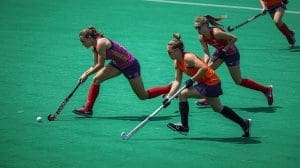
Now imagine one of the young hockey players on the team. This child loves exploring different ways of playing. They enjoy trying creative passes, experimenting with new skills and adapting their approach depending on the situation.
Players with high risk orientation often display traits such as:
- Curiosity
- Creativity
- Adaptability
- Willingness to experiment
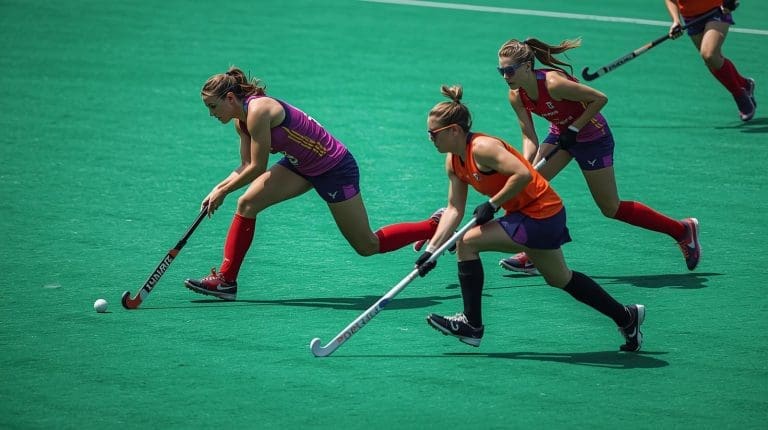
In hockey, these players might try unexpected passes, take on defenders in new ways, or attempt innovative attacking movements.
They thrive in environments where there is:
- Variety in training
- Opportunities to solve problems
- Freedom to explore different solutions
Even when mistakes happen, these athletes tend to keep searching for new answers.
When Coaching Structure Meets Player Creativity
When a structured coach works with a creative athlete, tension can sometimes develop.
The player may start to feel restricted.
Training sessions might begin to feel repetitive or predictable.
The athlete may think:
- “Why can’t we try something different?”
- “Why can’t I experiment with that idea?”
At the same time, the coach may feel uncomfortable with the athlete’s willingness to take risks.
They may worry that the player is being reckless or ignoring instructions.
However, this situation doesn’t have to create conflict.
In fact, when coaches understand risk orientation, it can become an opportunity for growth.
STRENGTHENING THE COACH–ATHLETE RELATIONSHIP
One useful framework for understanding these dynamics comes from Professor Sophia Jowett’s 3 + 1 Cs model of the coach–athlete relationship.
The model highlights four key elements that underpin strong relationships in sport:
- Closeness
- Commitment
- Complementarity
- Co-orientation
These four elements can help coaches navigate differences in personality and approach.
Closeness: Showing Interest in the Athlete’s Thinking
Closeness refers to the emotional bond between coach and athlete.
For players high in risk orientation, it is important that their curiosity and creativity are recognised rather than criticised.
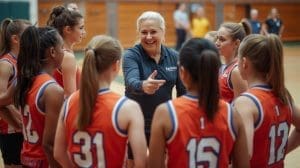
Simple conversations can make a big difference.
A coach might ask:
- “What were you trying to do in that moment?”
- “What did you notice when you tried that pass?”
- “What made you choose that option?”
These questions show genuine interest in how the athlete thinks.
When players feel understood, trust grows.
Commitment: Supporting Long-Term Development
Commitment reflects the willingness of both coach and athlete to invest in the relationship.
Young hockey players are far more likely to develop confidence when they feel their coach is invested in their long-term growth.
For example, a coach might say:
“I know you like trying new ideas. Let’s work out how we can use that creativity to help your development and the team.”
This kind of message signals that the coach values the player’s mindset rather than trying to suppress it.
Complementarity: Balancing Structure and Creativity
Complementarity refers to how the behaviours of coach and athlete work together.
A structured coach does not need to completely change their coaching style.
Instead, they can introduce controlled variety within training sessions.
For example:
- Scenario-based hockey challenges
- Small-sided games with different rules
- Mini competitions within drills
- Tactical problem-solving exercises
These activities allow players to experiment while still maintaining the structure that the coach prefers.
Another helpful strategy is introducing moments of autonomy.
A coach might ask:
- “If you were designing this drill, what would you change?”
- “What different solution could you try here?”
These questions encourage players to think creatively while staying within the training framework.
Co-orientation: Understanding Each Other’s Perspective
Co-orientation refers to how well the coach and athlete understand each other’s viewpoint.
A coach who prefers structure might assume the athlete is taking unnecessary risks.
But the athlete may simply be motivated by curiosity and challenge.
Open conversations about how each person approaches learning, risk and development can help both sides understand each other.
When this shared understanding develops, the coach–athlete relationship often becomes much stronger.
Risk Orientation and Mental Toughness
Risk orientation is a sub-measure of the challenge component of Mental Toughness.
Young athletes who are comfortable stepping into uncertainty often show a willingness to experiment and explore solutions.
These behaviours can be incredibly valuable in hockey, where decision-making and creativity often determine the outcome of a game.
However, young hockey players still need a coaching environment that channels this mindset productively.
The most effective environments balance two key elements:
Structure and challenge.
Structure provides stability.
Challenge stimulates curiosity and growth.
When these elements work together, young athletes remain:
- Curious
- Creative
- Engaged
A Reflective Question for Hockey Coaches
As a hockey coach, it can be helpful to reflect on your training environment.
Ask yourself:
Are you creating enough variety and challenge to keep your more adventurous players engaged?
Sometimes the most creative athletes simply need the right environment to explore their ideas while continuing to develop their skills. When coaches strike the right balance between structure and experimentation, they often unlock the best in their hockey players.
You may also wish to listen to:
>> 310 Risk Orientation: When Coaches and Athletes Think Differently
Or Read:
>>Learning Orientation in Youth Sport: A Guide for Coaches Working with Teenage Athletes
You can also join our online community – THE SPORTS PSYCHOLOGY HUB – for regular Sports Psychology tips, podcasts, motivation and support.
Frequently Asked Questions About Interpersonal Confidence in Sport
What is risk orientation in sport?
Risk orientation in sport refers to how comfortable an athlete or coach feels when stepping into uncertainty, trying new things, and embracing challenge. Young athletes with high risk orientation tend to enjoy experimentation and creativity, while those with lower risk orientation often prefer structure, routine and predictable training environments.
Why is risk orientation important in youth hockey?
Risk orientation is important in youth hockey because it influences how players approach learning, decision-making and creativity on the pitch. Young hockey players who feel encouraged to experiment and explore different solutions are often more engaged, adaptable and confident when facing new challenges during matches.
How can hockey coaches encourage creativity while maintaining structure?
Hockey coaches can balance creativity and structure by introducing scenario-based drills, small-sided games, and problem-solving challenges within training sessions. These activities allow players to experiment with different solutions while still working within a structured environment that supports skill development and team organisation.
You can also join our online community – THE SPORTS PSYCHOLOGY HUB – for regular Sports Psychology tips, podcasts, motivation and support.

Best Wishes
David Charlton
Global Sports Psychologist who is located near Newcastle Upon Tyne, UK and willing to travel Internationally. David also uses online video conferencing software (Zoom, Facetime, WhatsApp) on a regular basis and has clients who he has supported in the UK, UAE, Saudi Arabia, Australia and New Zealand.
Managing Director – Inspiring Sporting Excellence and Founder of The Sports Psychology Hub. With over 15 years experience supporting athletes, coaches, parents and teams to achieve their goals, quickly.