
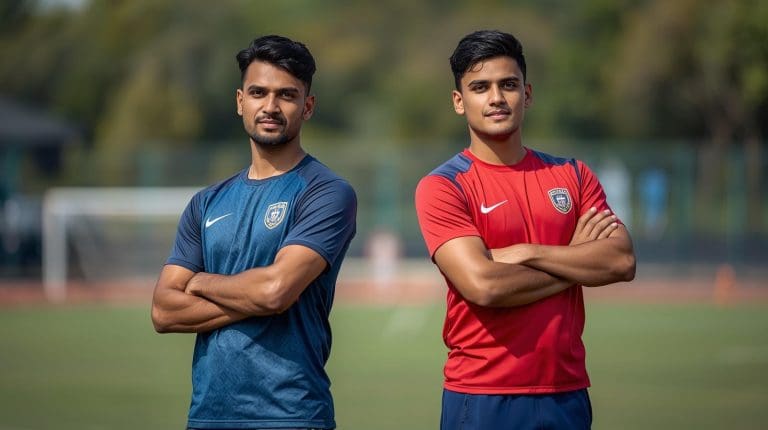
Learning Orientation in Youth Sport
A Guide for Coaches Working with Teenage Athletes
Coaching teenage athletes brings a unique set of opportunities and challenges.
At this stage of development, typically around 17 years and older, many young athletes are navigating an important transition. They are becoming more independent, more self-aware, and more serious about their sport.
For some, this may be the stage where they begin competing at higher levels. For others, it may be a time when motivation fluctuates, pressures increase, and confidence is tested more frequently.
One of the most important psychological qualities that helps athletes navigate this stage successfully is something known as learning orientation.
LEARNING ORIENTATION sits within the challenge pillar of the 4Cs Model of Mental Toughness. For many coaches working with older teenagers, it can be the difference between athletes who stagnate and those who continue to develop.
As without the ability to learn from mistakes, setbacks and difficult experiences, progress in sport often slows down.
You might have confidence.
You might have commitment.
You might even be comfortable stepping into challenging situations.
But if an athlete is unable or unwilling to reflect, adapt and learn from those experiences, development can stall.
For youth sport coaches, understanding learning orientation can transform how you guide athletes through the ups and downs of competitive sport.
What Is Learning Orientation in Sport?
Learning orientation refers to an athlete’s willingness to:
- Reflect on performance
- Learn from mistakes
- Adapt behaviour
- View setbacks as opportunities for improvement
Athletes with strong learning orientation tend to ask themselves questions like:
- What did I learn from that performance?
- What could I try differently next time?
- What can this experience teach me?
They understand that improvement rarely follows a straight line.
Instead, progress often comes through cycles of experimentation, reflection and adjustment.
However, not every athlete naturally approaches mistakes in this way.
The Coach with High Learning Orientation
Many experienced coaches develop a strong learning orientation over time.
They become curious about improvement not just for their athletes, but also for themselves.
These coaches often demonstrate behaviours such as:
- Reflecting regularly on training sessions
- Seeking feedback from athletes or colleagues
- Adapting drills and approaches when things aren’t working
- Encouraging experimentation in training
You’ll often hear these coaches asking questions like:
- “What did we learn from that?”
- “How could we improve this next time?”
- “What can we take away from that experience?”
They tend to prepare carefully for sessions and consider:
- The purpose of each drill
- The individual needs of athletes
- The best way to communicate feedback
This mindset can create incredibly powerful learning environments.
Athletes begin to understand that mistakes are not something to hide from they are something to learn from.
But even high learning orientation has its challenges.
Coaches who constantly seek improvement can sometimes introduce too many ideas at once.
They may experiment frequently or ask athletes to reflect constantly.
For some athletes, this can feel overwhelming. Therefore balance is always important.
The Athlete with Low Learning Orientation
Now consider a teenage athlete who struggles with learning orientation.
This athlete may experience mistakes very differently.
Instead of seeing errors as opportunities to learn, they may view them as:
- Failures
- Threats to confidence
- Signs they are not good enough
When mistakes occur, they may respond in ways such as:
- Avoiding reflection
- Becoming defensive when feedback is given
- Blaming external factors
- Withdrawing emotionally from the situation
You might hear comments like:
- “I just had a bad day.”
- “It wasn’t my fault.”
- Or simply silence when reflection is encouraged.
At first glance this behaviour can appear frustrating.
But often these responses are simply defence mechanisms. The athlete may be trying to protect their confidence. For them, analysing mistakes feels uncomfortable or even threatening. And when this happens repeatedly, learning can slow down.
The Emotional Challenge for Coaches
Working with athletes who repeat the same mistakes can be emotionally difficult.
Coaches may experience:
- Frustration
- Doubt about whether their message is getting through
- Concern about the athlete’s development
These emotional responses are completely normal.
However, the way a coach responds in these moments can shape the learning environment. If frustration turns into criticism or impatience, athletes may retreat further. Learning shuts down. However when coaches remain curious and reflective, the door to growth stays open. This is where self-awareness becomes a key coaching skill.
Strengthening the Coach–Athlete Relationship
Professor Sophia Jowett’s 3 + 1 Cs coach-athlete relationship model provides a helpful framework for navigating these situations. The model highlights four elements that underpin strong coach–athlete relationships:
Closeness
The emotional bond between coach and athlete. Athletes are far more willing to reflect honestly when they feel psychologically safe.
Commitment
The shared intention to continue working together over time. This helps athletes understand that development is a long-term journey rather than a single performance.
Complementarity
How well the behaviours of coach and athlete work together. This often means adapting communication style to match the athlete’s needs.
Co-orientation
The shared understanding between coach and athlete. Both individuals understand how the other sees the situation. When these elements are present, athletes feel safer acknowledging mistakes, which is where real learning begins.
Practical Strategies for Coaches
Helping teenage athletes develop stronger learning orientation doesn’t require complicated interventions. Often it comes down to consistent communication and simple reflection habits.
Here are five practical strategies.
- Normalise Mistakes
Athletes often fear mistakes because they associate them with failure.
One powerful reframe is:
“Mistakes are data.”
Errors simply provide information about what to improve next.
When coaches consistently communicate this message, the emotional weight of mistakes begins to reduce.
- Use Structured Reflection
Vague questions such as “What went wrong?” can feel confrontational.
Instead, try structured reflection:
- What went well?
- What didn’t go as planned?
- What will you try next time?
This shifts the focus from blame to learning.
- Encourage Perspective
Teenage athletes sometimes believe they are the only ones struggling.
A helpful question might be:
“Can you think of athletes at your level who have overcome similar challenges?”
This helps broaden perspective and build belief.
- Introduce Simple Review Routines
Short weekly review conversations can be extremely powerful.
For example, ask athletes:
- What did you learn this week?
- What challenges appeared?
- What adjustments could help next time?
Over time, these conversations help build stronger learning habits.
- Use Tools Like SWOT Analysis
Before competitions or key development stages, athletes can benefit from analysing:
- Strengths
- Weaknesses
- Opportunities
- Threats
This encourages athletes to approach challenges with clarity and awareness rather than emotion.
Developing Self-Awareness in Young Athletes
At the heart of learning orientation lies self-awareness.
Teenage Athletes who improve consistently tend to ask themselves three key questions:
- What happened?
- Why did it happen?
- What can I learn from it?
Coaches play an important role in guiding young athletes toward these questions.
Not by providing every answer.
But by helping athletes develop the habit of reflection.
Learning Orientation and Mental Toughness
Learning orientation connects strongly with the 4Cs model of Mental Toughness;
- CONFIDENCE – Learning from setbacks strengthens confidence.
- CONTROL – Reflecting on experiences can improve control.
- COMMITMENT – Adapting your behaviours supports commitment.
- CHALLENGE – Discovering how to embrace challenges increases your chances of success.
In many ways, learning orientation acts as the engine that drives long-term mental toughness development and performance giving younger athletes a mental edge on their rivals.
A Final Reflection for Coaches
As a youth sport coach working with teenage athletes, it can be helpful to reflect on two questions.
How often do I create opportunities for athletes to reflect and learn from their experiences?
And equally important:
How aware am I of my own emotional reactions when athletes repeat mistakes?
For sometimes the greatest learning in sport occurs when coaches model the mindset they want their athletes to develop. Then when athletes see their coach responding to challenges with curiosity rather than frustration, they often begin to adopt the same approach.
You may also wish to listen to:
>> 311 Learning Orientation: When Coaches and Athletes Think Differently
Or Read:
>>Risk Orientation: Helping Young Players Balance Creativity and Structure
Frequently Asked Questions About Learning Orientation
Frequently Asked Questions About Learning Orientation
Learning orientation in sport refers to a young athlete’s willingness to reflect on performances, learn from mistakes and adapt their behaviour to improve. Teenage athletes with strong learning orientation view setbacks as opportunities for development rather than failures, allowing them to grow through experience and continue improving over time.
Why is learning orientation important for teenage athletes?
Learning orientation is important for teenage athletes because this stage of development often involves increased competition, pressure and expectations. Young athletes who learn to reflect on mistakes and adapt their approach are more likely to build confidence, resilience and long-term improvement in their sport.
How can coaches help teenage athletes learn from mistakes?
Coaches can help athletes learn from mistakes by normalising errors, encouraging structured reflection, asking open questions and creating a supportive environment where athletes feel safe discussing challenges. Regular review conversations and reflection routines also help athletes develop stronger learning habits.
You can also join our online community – THE SPORTS PSYCHOLOGY HUB – for regular Sports Psychology tips, podcasts, motivation and support.

Best Wishes
David Charlton
Global Sports Psychologist who is located near Newcastle Upon Tyne, UK and willing to travel Internationally. David also uses online video conferencing software (Zoom, Facetime, WhatsApp) on a regular basis and has clients who he has supported in the UK, UAE, Saudi Arabia, Australia and New Zealand.
Managing Director – Inspiring Sporting Excellence and Founder of The Sports Psychology Hub. With over 15 years experience supporting athletes, coaches, parents and teams to achieve their goals, quickly.