
Is your young cricketer struggling with the mental side of the game?
Cricket is one of the most psychologically demanding sports a young person can play. A batter faces a single delivery and has a split second to decide, then has to wait alone with their thoughts, for the next one. A bowler has to reset after being hit for four and come back stronger. These moments are as much about the mind as they are about technique.
Yet most junior coaching time is spent on batting, bowling and fielding drills. We fill the gap helping young cricketers aged 7 to 21+ build the psychological skills that make all that technical work pay off when it matters most in matches.
Youth Cricket Psychology | Cricket Mental Skills Training for Batters, Bowlers, Wicketkeepers and Fielders

Understand what’s going on in your child’s head and how to have the right conversations after a tough innings or a bad day in the field.
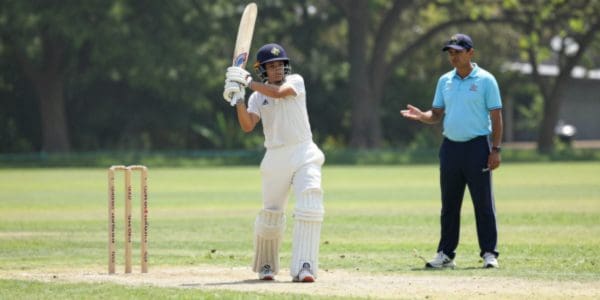
Practical mental skills tools you can bring into training sessions to help young cricketers build confidence and compete with a clear head.
Common Challenges We Help With
“Our son was averaging 8 and considering walking away from the game. After working on the mental side, he’s now one of the most composed players in his age group. His coach can’t believe the change.” — Parent of a 15-year-old cricketer, Yorkshire, England
Articles for Parents & Youth Coaches
Podcast Episodes to Listen To
Questions Parents Ask Us
My child scores well in nets but falls apart in matches, is this normal?
Very common. The training vs competition gap is one of the most frequent things we work on with junior cricketers. It’s a mental skills issue, and it’s very solvable.
My young bowler keeps losing their action under pressure, what's going on?
This is often a focus and routine issue the pressure of a match triggers overthinking that disrupts an otherwise automatic skill. We work specifically on this with young bowlers.
How can I support my child after a bad dismissal without making things worse?
Almost every cricket parent worries about this. Our parent resources give you specific language and approaches to use in those difficult moments in the car, at home, before the next game.
At what age should a young cricketer start working on their mental game?
We work with players from age 7 upwards. The earlier good habits are built, the better but it’s never too late to start developing mental skills alongside technical ones.