



Working With Your Subconscious Mind To Achieve Better Results

EP 172 Episode Cover Brandon Epstein

Working With Your Subconscious Mind To Achieve Better Results

Brandon Epstein

Brandon Epstein is an entrepreneur and mental performance coach who has empowered thousands of clients throughout the world for nearly two decades with his work in the wellness and performance space. A former college football player, Brandon has cultivated a wellness community with more than one million members. He coaches professional athletes, business owners, and other elite performers in feeling and being their best every day.

Check out Brandon’s Free 7 Day Mental Reset  https://www.theowned.industries/7dayreset

In today’s episode we look at working with the subconscious mind to improve self-awareness, overcome self-doubt and reduce your chances of choking when performing.  My guest, Mental Performance Coach, Brandon Epstein shares his wisdom and gives you some ideas and strategies to keep moving forwards.

Key Learning Points:

  • Our subconscious mind can be programmed to help us win or lose.
  • A lot of people are unconsciously incompetent, they lack self-awareness and don’t live in the present moment.
  • Self-awareness is crucial to be able to grow and overcome performance plateaus.
  • Start by asking yourself the question – how does my emotional experience start?
  • A lot of athletes crave the feeling of confidence when they perform – it is possible to experience this when working with the subconscious.
  • Self-hypnosis can help you reprogram patterns of behaviour that you repeat.
  • Understanding your limiting beliefs and changing them is a helpful approach.
  • By being proactive and using psychological skills training you can give yourself a better chance of thriving under pressure.

Connect with Brandon Epstein

Website

Instagram

Connect with David Charlton

Sign Up to The Mental Edge

Join David @ The Sports Psychology Hub

Instagram, Facebook, Twitter and LinkedIn

Relevant Podcast Episodes

Ep013: Karl Morris – How to stay present like a major champion

Ep012: Alessia Bruno – The Yips, Crashes, Trauma in Sport there is hope for Athletes

Ep 081: Stuart Wade – Mental Toughness in Combat Sports

Ep092: Dr James Hegarty – ACT in Sport, Improving Performance through Mindfulness

Ep156: Ruth Chiles – There is Hope: How to Overcome Focal Dystonia

Relevant blogs

Blog: Mental Preparation for Combat Sports

Blog: Would You Like A Secret Weapon in Your Armoury?

Blog: Do you try too hard on the golf course?

Blog: Why You Should Meditate To Improve Your Sport Performance?

Blog: My Child Can’t Find “The Zone”

IF YOU ENJOYED TODAY'S SHOW PLEASE SHARE

SUBSCRIBE AND LISTEN ON YOUR FAVOURITE AUDIO PLATFORM

Also, kindly consider taking the 60-seconds it takes to leave an honest review and rating for the podcast on iTunes, they’re extremely helpful when it comes to the ranking of the show and we read every single one of them!

David Charlton

Best Wishes 

David Charlton

Global Sports Psychologist who is located near Newcastle Upon Tyne, UK and willing to travel Internationally.  David also uses online video conferencing software (Zoom, Facetime, WhatsApp) on a regular basis and has clients who he has supported in USA, Canada, South America, UAE, Australian and New Zealand.  

Managing Director – Inspiring Sporting Excellence and Founder of The Sports Psychology Hub.  With over 10 years experience supporting athletes, coaches, parents and teams to achieve their goals, quickly. 

E: [email protected]

The Mental Edge 26 May 2023

Positive Performance

26 May 2023 Helping You Gain A Mental Edge 9 Ways To Help You Handle Pressure Better Over The Longhaul Are you someone who thrives off pressure? Pressure in sport does funny things to us.  Some people go into overdrive and rush decisions whereas some people slow down.  Some become more aggressive in the way
How To Raise Your Levels Of Vitality

EP 171 Episode Cover David Lindsay

How To Raise Your Levels Of Vitality

David Lindsay

David Lindsay is a professional speaker and personal trainer based in Sydney, and has a wealth of experience in coaching, training, and competing as an athlete. He has developed a unique “5 Steps to Improve Vitality” system that has been proven to boost workplace morale, productivity, and ultimately, profitability. David is passionate about sharing this knowledge with others and is eager to bring his message to your workplace.

David’s impressive athletic background includes playing Rugby League up to NSW Cup (formerly Reserve Grade) level, training as a professional arm wrestler, and achieving a Black Belt in Wing Chun, a Purple belt in Brazilian Jiu-Jitsu, and competing in several Cage Fights (MMA). Over the last decade, David has studied successful teams and individual athletes, discovering that they all follow a similar structure to his “5 Step System Towards Improved Vitality in the Workplace.”

As a full-time coach and trainer for over 20 years, David has helped transform the bodies, minds, and lives of thousands of people. He has also helped teams to work together to achieve much higher results than anyone expected of them. He brings his experience from both on the paddock and in the Cage, and from the coach’s/trainer’s point of view to achieve optimum results.

David’s speaking engagements have included Grass Roots Development for the ARL (Australian Rugby League) and Staff at NSW Parliament. He wishes to impart the knowledge he has gained from his years of experience to improve your staff’s teamwork and work ethic, and increase their productivity. His approach and philosophy have helped transform normal teams into high-performance teams, and he is eager to help your team snap into action and fire on all cylinders from kick-off to the final whistle.

In episode #171 of the Demystifying Mental Toughness, former Professional Australian Rugby League player and now an inspiring speaker and personal trainer, David Lindsay talks to me about ways you can improve your vitality to improve your chances of success.  We also touch on Mental Toughness in a Professional Rugby League as well as discussing the psychological side to martial arts.

Key Learning Points:

  • When you are smaller than others learning to play to and improve your strengths is important.
  • “The mental game beats the physical game every day.”
  • You can control yourself not your opponent, so don’t waste time focusing too much on them.
  • Mental Toughness in a Rugby League setting is all about your ability to keep moving forwards despite pressures that exist.
  • A bigger picture mentality without too much emotion is necessary to perform at the peak of your powers.
  • To psych yourself up, consider energising music or rituals like the All Blacks “Haka.”
  • Visualisation and self-talk are other useful tools to improve your energy and intensity levels.
  • Ensuring you look after yourself with adequate rest and recovery is essential to raise your vitality.

Connect with David Lindsay

Website

LinkedIn

Connect with David Charlton

Sign Up to The Mental Edge

Join David @ The Sports Psychology Hub

Instagram, Facebook, Twitter and LinkedIn

5 Relevant Podcast Episodes

Ep015: Nick Grantham – Essential Elements of Rest and Recovery

Ep106: Amy Rowlinson – Why is knowing my WHY important?

Ep112: David Charlton – How to Deal with Physical Insecurities as a Young Athlete

Ep134: David Charlton – Observations: 3 Things That Stop You Achieving Your Goals

EP138: Nick Littlehales – Why do the Mentally Tough see Sleep and Recovery as Important

4 Relevant blogs

Blog: How To Play Well When You Aren’t Feeling Great

Blog: Mental Preparation for Combat Sports

Blog: Does Your Warm Up Influence How You Perform?

Blog: Helping Young Rugby Players Mentally Prepare Before Matches

3 Valuable resources

Understanding yourself better – The 4Ts.  Timing, Thoughts, Tension and Temperature

Combat Sports Psychology Library

Rugby Psychology Library

IF YOU ENJOYED TODAY'S SHOW PLEASE SHARE

SUBSCRIBE AND LISTEN ON YOUR FAVOURITE AUDIO PLATFORM

Also, kindly consider taking the 60-seconds it takes to leave an honest review and rating for the podcast on iTunes, they’re extremely helpful when it comes to the ranking of the show and we read every single one of them!

David Charlton

Best Wishes 

David Charlton

Global Sports Psychologist who is located near Newcastle Upon Tyne, UK and willing to travel Internationally.  David also uses online video conferencing software (Zoom, Facetime, WhatsApp) on a regular basis and has clients who he has supported in USA, Canada, South America, UAE, Australian and New Zealand.  

Managing Director – Inspiring Sporting Excellence and Founder of The Sports Psychology Hub.  With over 10 years experience supporting athletes, coaches, parents and teams to achieve their goals, quickly. 

E: [email protected]

The Mental Edge 19 May 2023

Emotions

19 May 2023 Helping You Gain A Mental Edge 10 Steps to Help You Accept Perfection Isn’t Required to Perform at Your Best Does Trying to Be Perfect In Your Sport Help You Perform Better? Perfectionism in sport can be advantageous for some athletes and it can be fatal for others quashing their enjoyment and
How To Help Perfectionists With Their Mental Approach

EP 170 Episode Cover David Charlton

How To Help Perfectionists With Their Mental Approach

David Charlton

By working with David Charlton, you and your organisation will be better equipped to rise to modern day challenges and better informed to thrive on and off the pitch, course or court.  Where he inspires individuals and teams to:

  • Cope with pressure and challenges more effectively
  • Maintain positive mental health
  • Compete with confidence more often
  • Manage your emotions better
  • Improve your commitments levels

David is a Mental Toughness Practitioner, as well as a Health Care and Professions Council (HCPC) Registered Sport and Exercise Psychologist.  He has successfully supported athletes, teams and organisations for over 10 years in order to ensure that they perform at their maximum more often.

He has a comprehensive knowledge around the development of Mental Toughness, a plastic personality trait, which determines or limits people to deal effectively with change, challenges and stressors. In today’s climate, during the Coronavirus pandemic this quality is becoming more and more valuable to individuals, teams and organisations. 

Supporting athletes with perfectionist tendencies is a large part of our work at Inspiring Sporting Excellence.  They often display the following characteristics:

  • Difficulties transferring their practice or training to competitive events or matches.
  • Trying too hard.
  • Focusing intensely on results and outcomes.
  • Unable to trust themselves under pressure.
  • High, rigid and often unrealistic expectations of themselves and others.
  • Impatience and a tendency to demonstrate poor body language in the face of difficulties and for some to give up too easily.
  • Being frightened of letting other people down.
  • Having brittle confidence.
  • Letting their own self-worth and self-esteem be influenced by poor sporting performances.

Additionally, the perfectionist athlete can be very hard on themselves which informs the content in today’s episode where I share a case study and a helpful exercise relating to recovering from mistakes and errors.

Key Learning Points

  • When we’re not emotionally involved it’s easier to be kind and compassionate.
  • Often athletes find it easier to be kinder to team-mates than themselves when difficulties arise.
  • The pressure of being judged and critiqued in sport can impact on an athlete’s ability to deal with mistakes.
  • Being kind to yourself as an athlete doesn’t mean that you are going soft.
  • Learning how to be more self-compassionate can help you motivate yourself more than fear- based motivational methods.

Connect with David Charlton

Download THE FOCUSED ATHLETE CHECKLIST

Join David @ The Sports Psychology Hub

Instagram, Facebook, Twitter and LinkedIn

Relevant Podcast Episodes To Help Perfectionist Athletes

Ep129: David Charlton – How to Deal with Self-Criticism using Self Compassion – PT1

Ep130 David Charlton – How to Deal with Self-Criticism using Self Compassion – PT2

Ep131 David Charlton – How to Deal with Self-Criticism using Self Compassion – FINAL PART

Ep142: Alessia Bruno – Is Striving for Perfection a Good Thing in Gymnastics?

Ep156: Ruth Chiles – There is Hope: How to Overcome Focal Dystonia

Other Relevant Blogs And Resources To Benefit the Athlete Who Desires To Be Perfect

Coach Development Helping Athletes Overcome Fear Of Failure

5 Ways To Create A Psychological Safe Sporting Environment

Are You A Rugby Player With Perfectionist Tendencies?

How to Trust Your Skills When You’re a Goalkeeper

How to Help Children Overcome Fear of Failure

How To Play Well When You Aren’t Feeling Great

Conversations with Kids – Dealing with Criticism

Kristin Neff Website on Self-Compassion

IF YOU ENJOYED TODAY'S SHOW PLEASE SHARE

SUBSCRIBE AND LISTEN ON YOUR FAVOURITE AUDIO PLATFORM

Also, kindly consider taking the 60-seconds it takes to leave an honest review and rating for the podcast on iTunes, they’re extremely helpful when it comes to the ranking of the show and we read every single one of them!

David Charlton

Best Wishes 

David Charlton

Global Sports Psychologist who is located near Newcastle Upon Tyne, UK and willing to travel Internationally.  David also uses online video conferencing software (Zoom, Facetime, WhatsApp) on a regular basis and has clients who he has supported in USA, Canada, South America, UAE, Australian and New Zealand.  

Managing Director – Inspiring Sporting Excellence and Founder of The Sports Psychology Hub.  With over 10 years experience supporting athletes, coaches, parents and teams to achieve their goals, quickly. 

E: [email protected]

The Mental Edge 12 May 2023

Paul Bryan Quote: Will to Win

12 May 2023 Helping You Gain A Mental Edge How To Overcome Performance Anxiety And Play To Your Potential Why is it that people seek the help of a Sports Psychologist? Below is a list of the top 10 challenges that we come across on a regular basis: Loss of skills, for example, an inability
How To Perform Under Pressure Close To Your Best #BITESIZE

EP 169 Episode Cover Adam Nicholls

How To Perform Under Pressure Close To Your Best #BITESIZE

professor adam nicholls

Adam is a professor of psychology within the Department of Sport, Health, and Exercise Science, at the University of Hull. The main focus of his research relates to the psycho-social factors that predict doping among adolescent athletes, along with coping and emotions among athletes. His research is supported by more than £1.5 million of funding. He has published more than 85 journal articles and written five books. His latest book, Psychology in Sport Coaching: Theory and Practice has also been translated into both Arabic and Hungarian.

One of the hallmarks of Mentally Toughness is the ability to perform well under pressure.  Whether you play golf or cricket, or enjoy gymnastics or netball.  It’s the same in your job if you have to stand up and deliver presentations at work.

So why do many people struggle with this? Why does thriving under pressure separate the great from the good on occasions?

Many things can prevent people to be able to perform in the manner they’d like to when the pressure is on for a host of reasons, including:

  • Performance anxiety
  • A failure to learn from past mistakes
  • Focusing on the wrong things
  • Making practice sessions too comfortable
  • Personality traits, for example your Mental Toughness
  • Off field pressures

Today’s short bite taken from episode 94 of Demystifying Mental Toughness, touches on this topic where Professor Adam Nicholls shares with you a few ideas to be able to improve the way that you perform under pressure.  Enjoy tuning in!

Key Learning Points:

  • Mental Toughness is about an athlete’s ability to be able to perform well under pressure, so that their performance is not adversely affected by pressure.
  • Typical signs that someone struggles with pressure are that their routines change, that they speed up or slow down or that they fail to carry out tactics and get caught up in emotion.
  • Experience is an important factor in making good decisions under pressure.
  • Simulating pressure in training and practice is another helpful approach to take.
  • Seeking to improve your self-awareness, being open-minded to learn is also essential so that you can make smarter decisions at critical times.

Connect with Adam Nicholls

Book: Psychology in Sports Coaches: Theory and Practice

LinkedIn

Email

Connect with David Charlton

Sign Up to The Mental Edge

Join David @ The Sports Psychology Hub

Instagram, Facebook, Twitter and LinkedIn

6 Relevant podcast episodes

Ep166: Mark Bennett MBE – How To Help Athletes and Coaches Reflect On Their Performances

Ep094: Professor Adam Nicholls – How to Develop Mentally Strong Rugby Players

Ep093: Dan Abrahams – How to Overcome Mental Blocks in Football

Ep091: Jarrod Leathem – How to Transfer Your Cricket Skills to Matches

Ep089: Will Shaw – How To Transfer Your Golfing Skills To The Course 

Ep050: Compilation – Mental Strength Does Not Guarantee Success

5 Relevant blogs

Blog: How To Play Well When You Aren’t Feeling Great

Blog: 5 Coaching Tips to Develop Mentally Tough Footballers

Blog: Mental Preparation for Combat Sports

Blog: Does Your Warm Up Influence How You Perform?

Blog: 3 Tips to Help You Overcome Setbacks

4 Valuable resources

Gibbs Reflective Cycle

Understanding yourself better – The 4Ts.  Timing, Thoughts, Tension and Temperature

Understand your mental toughness tendencies

Driscoll’s Model of Reflection

3 Great conversations to have with your kids to help them perform better under pressure

Conversations with Kids – Fixed Mindset

Conversations with Kids – Emotional Rollercoaster

Conversations with Kids – Bravery

IF YOU ENJOYED TODAY'S SHOW PLEASE SHARE

SUBSCRIBE AND LISTEN ON YOUR FAVOURITE AUDIO PLATFORM

Also, kindly consider taking the 60-seconds it takes to leave an honest review and rating for the podcast on iTunes, they’re extremely helpful when it comes to the ranking of the show and we read every single one of them!

David Charlton

Best Wishes 

David Charlton

Global Sports Psychologist who is located near Newcastle Upon Tyne, UK and willing to travel Internationally.  David also uses online video conferencing software (Zoom, Facetime, WhatsApp) on a regular basis and has clients who he has supported in USA, Canada, South America, UAE, Australian and New Zealand.  

Managing Director – Inspiring Sporting Excellence and Founder of The Sports Psychology Hub.  With over 10 years experience supporting athletes, coaches, parents and teams to achieve their goals, quickly. 

E: [email protected]

The Mental Edge 5 May 2023

Waves of Emotions

05 May 2023 Helping You Gain A Mental Edge 5 Tips to Help Children Enjoy Their Sport More and Reach Their Potential Helping children enjoy their sport more and giving themselves the best chance of reaching their potential. When working with kids I notice that the following three challenges are something that I come across
How To Navigate Youth Sports So That Children Enjoy The Experience More

EP 168 Episode Cover Andrew Simpson

Parental Support: How To Navigate Youth Sports So That Children Enjoy The Experience More

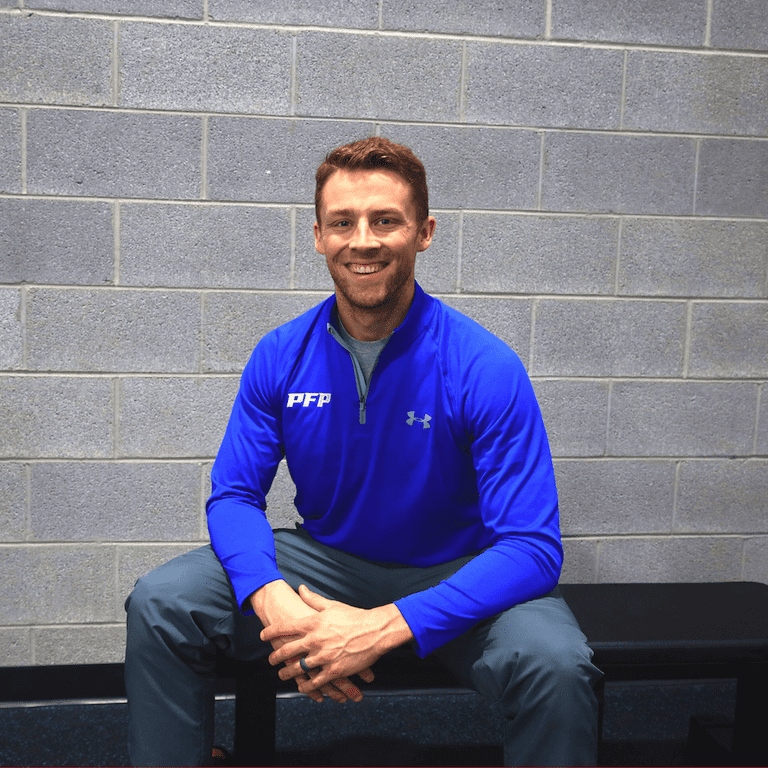
Andrew Simpson

Andrew Simpson is on a quest to help transform the youth sports industry by equipping student-athletes, parents, and coaches with tools for developing the right mindset. He integrates these mindset hacks into the hands-on coaching and training that happens in his two Maryland-based gyms.

With a passion to help student-athletes harness the power of their mindset so they can master the thought game and manage their emotions in life and sports–he has helpful insights and relatable success stories that benefit listeners of the Demystifying Mental Toughness Podcast.

In addition to the insights he shares, Andrew has just released his second book, ATHLETE! I’m Talking To You! 7 Mindset Hacks to Dominate in Sports and Life, which addresses athletes directly by offering real-life stories and action steps that have helped high school and college athletes alike. His first book, The Youth Truth: Coaching and Parenting in Today’s Crazy Youth Sports World, speaks to coaches and parents.

Today’s guest, trainer, coach and author Andrew Simpson and I chat about the youth sport experience today for kids, parents and coaches.  We discuss pressures on kids, coaching and parental pressures and stressors.  We also look at parents who also coach and the difficulties involved in that role, in particular.  Common mindset traps kids fall into are also part of the conversation including the perfectionist kid who has high and unrealistic expectations of themselves and others, social comparisons and kids who carry their sporting identity so that it impacts their self-esteem.  Parents, and coaches in youth sport and teachers may find this episode helpful.

Key Learning Points

  • Two big pressures that a lot of kids put on themselves in sports include trying to please others (coach and parents) through their performances.
  • Between 9 and 11 years old children go from focusing on the task at hand to being more aware of others and their thoughts, emotions and behaviours.
  • It is easy as a coach to lose sight of why you coach.
  • Showing kindness and compassion as a coach and parent is a helpful way to help children regulate their emotions.
  • For parents who also coach their children setting boundaries of when you’re a coach and a parent is vital.
  • Children can find it difficult to regulate their emotions in sport due to performance demands.
  • Parents can consider themselves as role models whilst standing on the sidelines.  If they get animated their children may follow suit.
  • Bribery when parenting is unhelpful in trying to promote intrinsic motivation.
  • Sports are what you do and are not who you are.

Connect with Andrew Simpson

Instagram

Website

Connect with David Charlton

Sign Up to Conversations with Kids

Join David @ The Sports Psychology Hub

InstagramFacebookTwitter and LinkedIn

Relevant Podcast Episodes

Ep154: David Charlton – How Do I Go About Controlling The Controllables To Help My Sport Performance?

Ep145: David Charlton – How Can I Help My Children Who Suffer With Nerves Before They Compete?

Ep141: David Charlton – How to Help a Child Who Wants to Quit Sport

Ep122: Camilla Knight – Helping Your Children Get The Most From Their Sporting Experiences

Ep082: David Charlton – Supporting Children in Sport with Positive Feedback

Relevant Blogs

Blog: Helping a Critical Child When You’re a Parent

Blog: How to Help Children Overcome Fear of Failure

Blog: How to Support an Angry Young Athlete

Blog: How to Help Kids Overcome Performance Anxiety

Blog: 9 Tips for Children from Olympians

Relevant Resources

Sports Psychology Resources for Youth Sport (Blogs, Podcasts, Video’s)

Sport Psychology for Children and Parents

Child and Youth Motivation for Sport Quiz

Parent Motivation for Sport Quiz

IF YOU ENJOYED TODAY'S SHOW PLEASE SHARE

SUBSCRIBE AND LISTEN ON YOUR FAVOURITE AUDIO PLATFORM

Also, kindly consider taking the 60-seconds it takes to leave an honest review and rating for the podcast on iTunes, they’re extremely helpful when it comes to the ranking of the show and we read every single one of them!

David Charlton

Best Wishes 

David Charlton

Global Sports Psychologist who is located near Newcastle Upon Tyne, UK and willing to travel Internationally.  David also uses online video conferencing software (Zoom, Facetime, WhatsApp) on a regular basis and has clients who he has supported in USA, Canada, South America, UAE, Australian and New Zealand.  

Managing Director – Inspiring Sporting Excellence and Founder of The Sports Psychology Hub.  With over 10 years experience supporting athletes, coaches, parents and teams to achieve their goals, quickly. 

E: [email protected]

The Mental Edge 28 Apr 2023

Dr. Keith Quote: Mindfulness

28 Apr 2023 Helping You Gain A Mental Edge 3 Tips to Help You Manage Your Emotions Better so That You Perform with Trust Is your mind often in overdrive thinking about your sport performance? If this is true for you, I’d like you to consider 2 statements today which I’ve adapted from the short